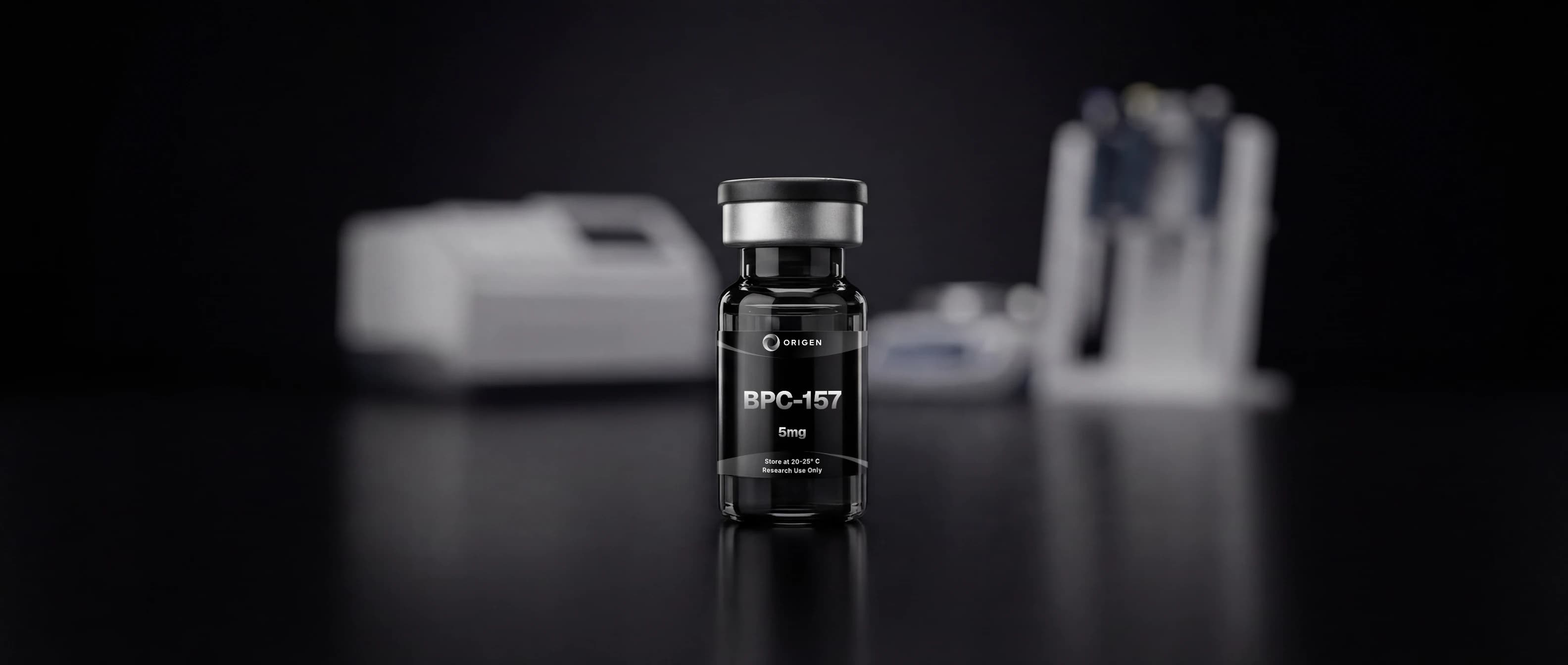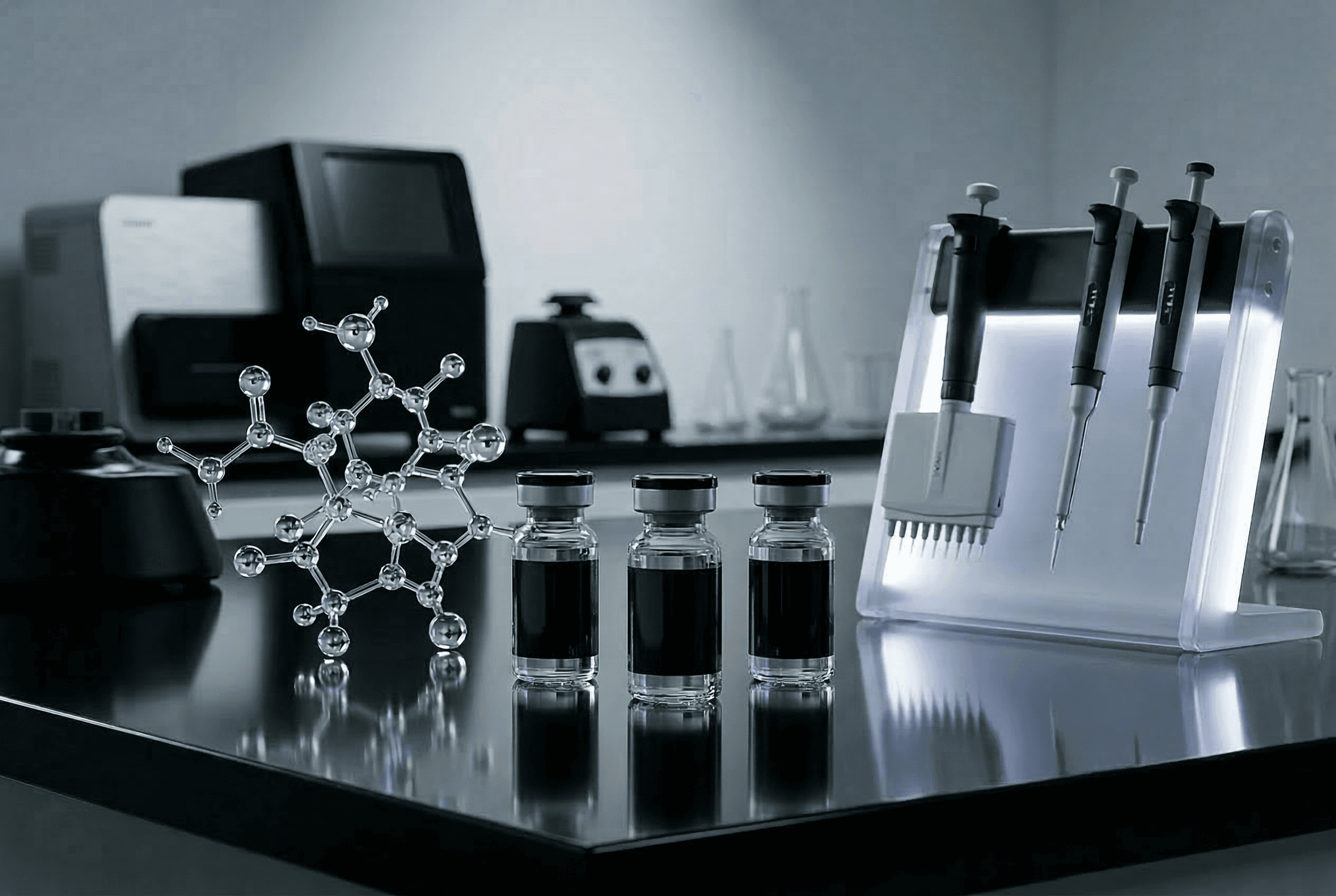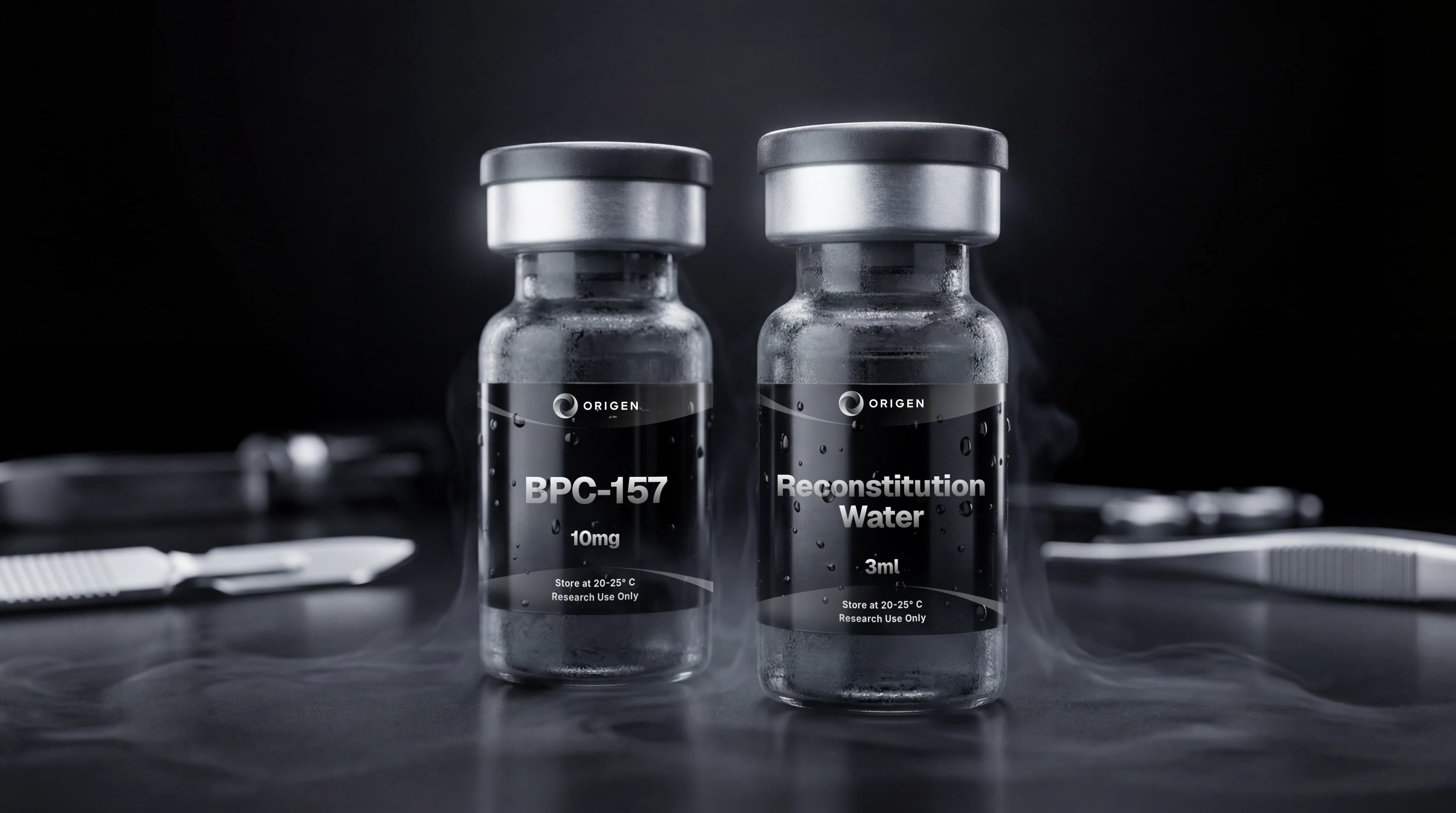
Peptide reconstitution is the process of bringing a dry peptide preparation, often a lyophilized powder, back into solution with a compatible diluent so it can be analyzed, aliquoted, or used in controlled research workflows. When researchers discuss reconstituting peptides with bacteriostatic water, the key variables are not convenience or routine practice, but preservative content, sterility limits, formulation compatibility, and the stability of the specific peptide under study [1][2][3].
Overview
In laboratory supply and pharmaceutical literature, many peptides are distributed as lyophilized solids to improve storage stability relative to aqueous preparations [2][3]. Reconstitution therefore refers to adding a suitable solvent or diluent to that dry material to generate a solution for downstream analytical or experimental use, with stability after reconstitution depending on the peptide sequence, formulation excipients, container system, and storage conditions rather than on a single universal rule [2][4].
Bacteriostatic water for injection, often shortened in general discussion to BAC water, is commonly understood as sterile water containing benzyl alcohol as a preservative; the preservative can inhibit microbial proliferation in some multi-dose contexts, but it does not sterilize a contaminated preparation or reverse poor aseptic handling [1]. That distinction is central when comparing bacteriostatic water vs sterile water for peptide reconstitution water: the choice of diluent should follow the product labeling, manufacturer documentation, and research protocol because preservative compatibility is formulation-specific and not interchangeable across all compounds [1][4].
For this reason, broad questions such as how long does bacteriostatic water last after opening or what defines safe peptide storage after reconstitution do not have one transferable answer for every vial. Published data support a more conservative view: peptide and protein formulations can aggregate, degrade, adsorb to surfaces, or undergo other physical and chemical changes after reconstitution, especially when handling, temperature control, and container closure are inconsistent [2][4].
Structure and Properties
In practical terms, peptide solubility and stability are not determined by the water source alone. Peptide therapeutics are known to be sensitive to aggregation and other physical instability mechanisms, and those behaviors can shift with concentration, pH, excipients, interfaces, agitation, and storage history [2]. Lyophilized formulations are used in part because solid-state presentation can reduce some degradation pathways during storage, but the stability advantages of the dried state do not automatically persist after reconstitution [3][4].
Because of that, laboratory handling should separate three different questions that are often blurred together online: whether a peptide dissolves, whether the resulting solution remains chemically intact, and whether the preparation remains microbiologically acceptable. Benzyl alcohol in bacteriostatic water for peptides may contribute preservative effect in the diluent, but compatibility with the peptide and the final beyond-use expectations still depend on the specific formulation and its validated conditions [1][4].
Mechanism of Action in Research
For a diluent-focused article, the relevant mechanism question is not a biological receptor target but the formulation science that determines whether a reconstituted peptide remains suitable for research use. Preclinical and formulation literature has investigated peptide instability through pathways including aggregation, interface-driven denaturation, and changes induced by freeze-drying and subsequent reconstitution, with these effects shaped by composition and storage environment [2][3].
Studies on peptide and protein formulations report that reconstitution can alter supramolecular state, concentration-dependent behavior, and interaction with excipients or container surfaces, which is why apparently simple questions about peptide reconstitution water often require product-specific validation rather than generic advice [2][4]. Likewise, work on benzyl alcohol-preserved bacteriostatic water has documented that preservative-containing diluents are not universally compatible with every injectable formulation, underscoring the need to verify manufacturer instructions before selecting bacteriostatic water vs sterile water in a laboratory workflow [1].
In short, the research literature supports a conservative mechanism-based interpretation: after a lyophilized peptide is brought into solution, the main concerns are physicochemical integrity and contamination control, not merely whether the powder visually disappears. That is why visual clarity alone is an incomplete quality check and why labeling, time control, and storage history matter after reconstitution [2][4].
Research Applications
In laboratory settings, reconstituting peptides with bacteriostatic water may be discussed in relation to assay preparation, aliquoting, short-term solution handling, and exploratory formulation work. However, whether bacteriostatic water for peptides is appropriate for a given material should be treated as a compatibility question tied to the specific product dossier, because preservative-containing diluents can affect formulation behavior and are not interchangeable by default [1][4].
A useful way to frame bacteriostatic water vs sterile water is by intended container use and preservative content. Sterile water for injection is preservative-free, whereas bacteriostatic water for injection typically includes benzyl alcohol as a preservative; that difference is often relevant in multi-dose handling discussions, but the presence of a preservative should not be interpreted as protection against poor aseptic technique or as permission to extend use outside validated instructions [1].
For peptide storage after reconstitution, the literature supports emphasizing control of time, temperature, and handling events. Reconstituted peptide products can show limited stability windows relative to their lyophilized forms, and published stability assessments are product-specific, meaning beyond-use dates should come from manufacturer, pharmacy, or protocol documentation rather than generalized internet charts [2][4].
This also shapes labeling practice. Once a vial has been reconstituted in a research environment, it is prudent to document the identity of the peptide, the diluent used, the date and time of reconstitution, storage conditions, and any visual observations, because physical instability and handling-related errors can accumulate over time even when a solution initially appears acceptable [2][4].
Handling and Reconstitution Notes
What peptide reconstitution means in practice is preparation of a solution under controlled conditions, not a casual mixing step. Sterility and contamination risks remain central because a preservative inhibits some microbial growth but does not make a compromised vial safe, does not replace aseptic technique, and does not confirm chemical stability of the dissolved peptide [1].
For that reason, laboratory personnel should follow the product insert, pharmacy guidance, or validated internal procedure for the exact peptide being handled. If documentation specifies sterile water rather than bacteriostatic water for injection, or vice versa, that instruction should take precedence over general habit because formulation-specific compatibility can differ [1][4].
When considering how long does bacteriostatic water last after opening, the most accurate answer is that opened-vial handling depends on the container, preservative system, and governing instructions for use. The same applies to peptide storage after reconstitution: storage duration should be treated as product-specific and should be supported by supplier or pharmacy documentation rather than assumed from the behavior of another peptide [2][4].
Visual inspection is still useful, but only as a limited screen. Changes such as haze, particulate matter, unexpected color shift, or evidence of container compromise can indicate that a preparation should not proceed in a research workflow, yet an apparently clear solution is not proof of sterility or full molecular integrity [2][4].
For non-clinical educational purposes, the most appropriate questions to direct to a licensed clinician or pharmacist are compatibility and handling questions tied to a labeled product: whether bacteriostatic water or sterile water is the specified diluent, whether benzyl alcohol is acceptable for that formulation, what storage window applies after reconstitution, and what documentation should be used for beyond-use dating. Those questions help keep bacteriostatic water for peptides within a documented, product-specific framework rather than a generalized one [1][4].
Research Use Notice
Research Use Only. Not for human consumption. Not for use in the diagnosis, treatment, cure, or prevention of any disease. Laboratory research and analytical use only. Handle according to appropriate laboratory safety practices.
References
- Behme RJ, Brooke D, Kensler TT, Scott JA, American Journal of Hospital Pharmacy, 1988. https://pubmed.ncbi.nlm.nih.gov/3369469/
- Zapadka KL, Becher FJ, Gomes Dos Santos AL, Jackson SE, Interface Focus, 2017. https://pubmed.ncbi.nlm.nih.gov/29147559/
- Angkawinitwong U, Sharma G, Khaw PT, Brocchini S, Williams GR, Therapeutic Delivery, 2015. https://pubmed.ncbi.nlm.nih.gov/25565441/
- Merutka G, Murphy BM, Payne RW, Wilson GA, Matsuura JE, Henry CS, European Journal of Pharmaceutics and Biopharmaceutics, 2016. https://pubmed.ncbi.nlm.nih.gov/26620825/